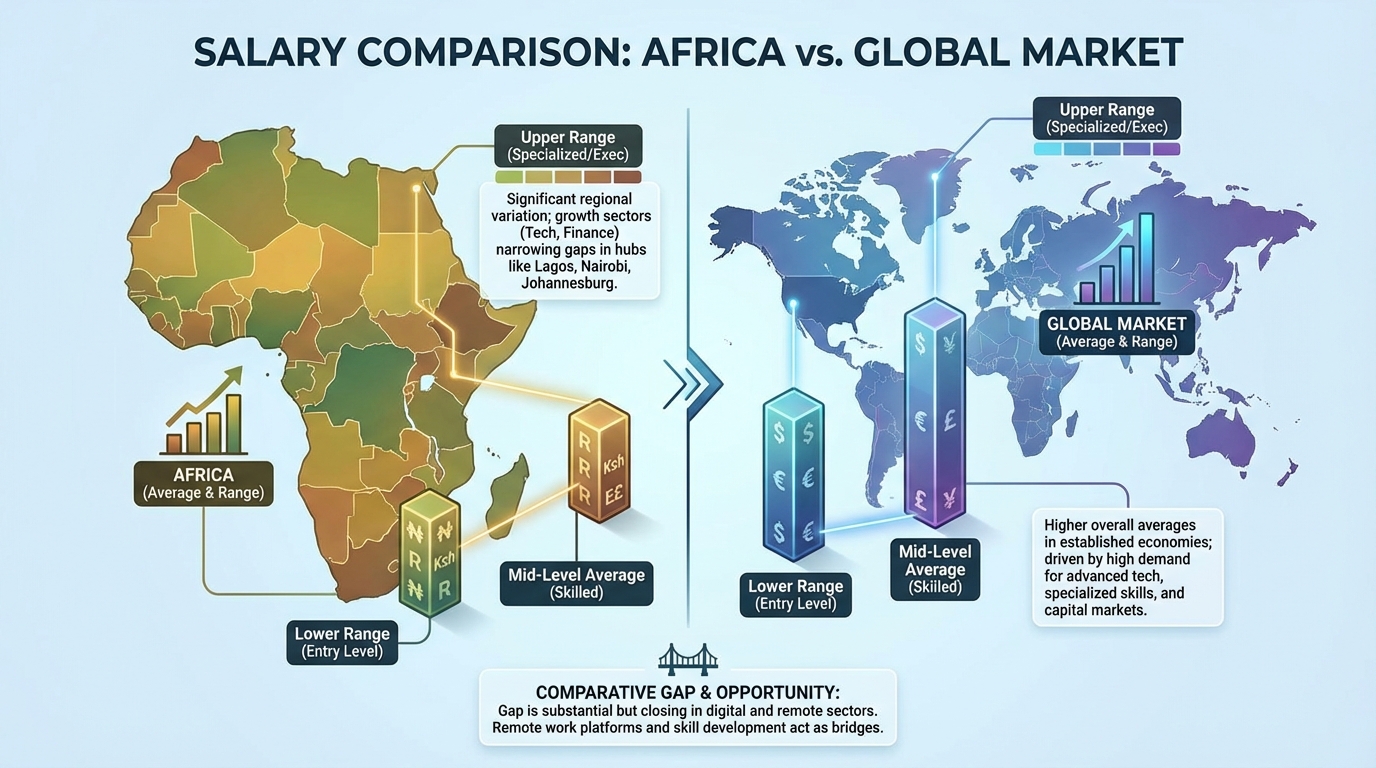
Average Salary Guide: Nigeria by Industry 2026
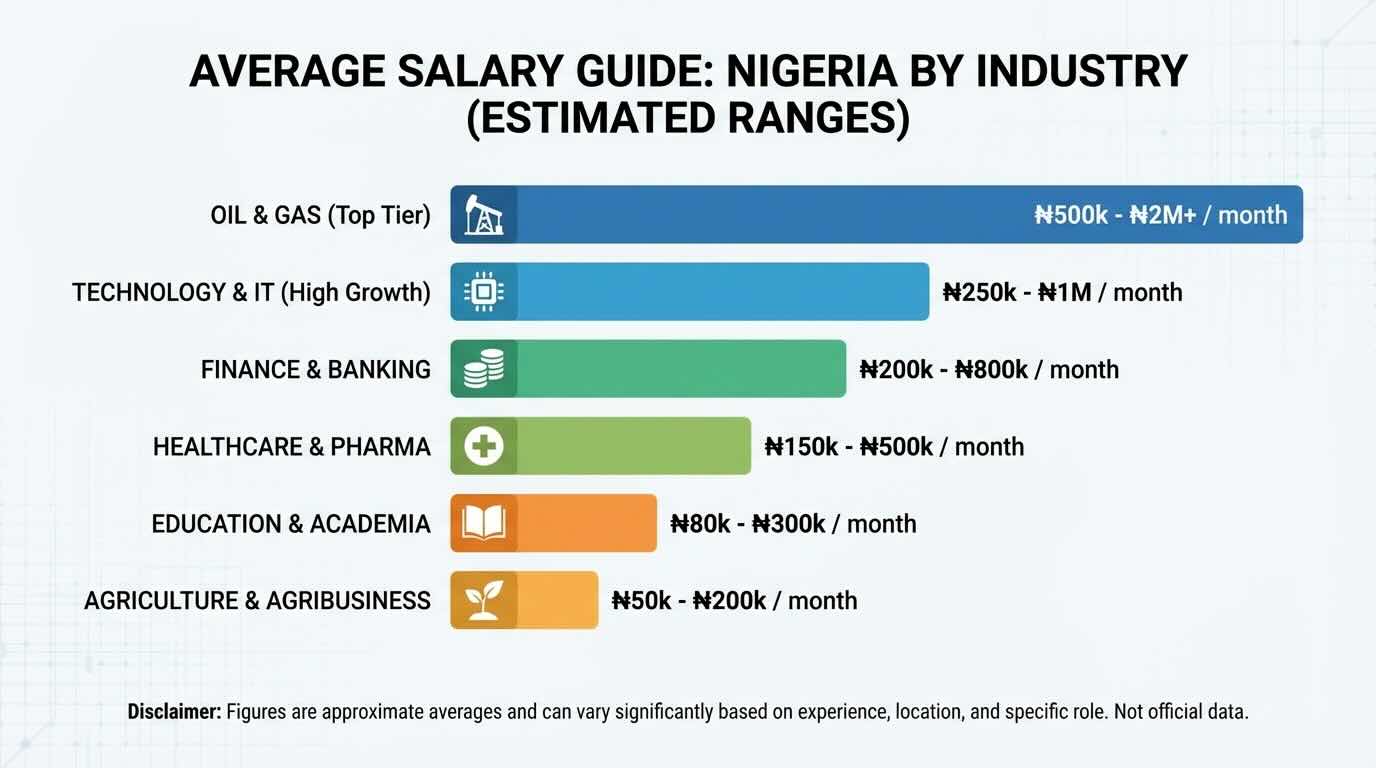
Average Salary Guide: Nigeria by Industry 2026
Nigeria, Africa's most populous nation with over 230 million people, boasts the continent's largest economy by GDP. Understanding salary expectations across different industries is crucial whether you are negotiating a new role, planning a career transition, or benchmarking compensation for your organization. This comprehensive salary guide covers the major industries in Nigeria for 2026, providing detailed salary ranges in both Nigerian Naira (NGN) and US Dollars (USD) at the approximate exchange rate of 1 USD = 1,550 NGN as of early 2026.
For real-time salary comparisons and market data, visit our Salary Insights page on Masters Africa.
Understanding Nigeria's Employment Landscape in 2026
Before diving into specific salary figures, it is important to understand the broader context of Nigeria's labor market. Several factors influence compensation levels across the country.
Geographic Variations
Salaries in Nigeria vary significantly based on location. Lagos, as the commercial capital, consistently offers the highest compensation packages. Abuja, the federal capital territory, follows closely, particularly for government-related positions. Other major cities like Port Harcourt (oil and gas hub), Kano, and Ibadan offer competitive salaries within their dominant industries but generally lag behind Lagos.
Experience and Education Premium
Advanced degrees and professional certifications command significant salary premiums in Nigeria. An MBA from a reputable institution can increase earning potential by 30 to 50 percent. Industry-specific certifications such as ICAN for accountants, COREN for engineers, or international tech certifications carry substantial weight with employers.
Currency Considerations
Nigeria's currency has experienced significant volatility. Many multinational companies and international organizations now offer split-currency compensation or dollar-indexed salaries to attract and retain top talent. Remote workers earning in foreign currency enjoy considerable purchasing power advantages.
Technology Sector Salaries
Nigeria's tech sector continues its explosive growth trajectory, with Lagos firmly established as West Africa's technology capital. The ecosystem includes major players like Flutterwave, Paystack, Andela, and hundreds of emerging startups attracting significant venture capital investment.
Software Engineering
- Junior Developer (0-2 years): NGN 3,000,000 - 6,000,000/year (USD 1,935 - 3,870/year)
- Mid-Level Developer (3-5 years): NGN 7,000,000 - 15,000,000/year (USD 4,515 - 9,677/year)
- Senior Developer (6+ years): NGN 15,000,000 - 35,000,000/year (USD 9,677 - 22,580/year)
- Engineering Manager/CTO: NGN 25,000,000 - 60,000,000/year (USD 16,129 - 38,710/year)
Data Science and Analytics
- Data Analyst: NGN 3,500,000 - 8,000,000/year (USD 2,258 - 5,161/year)
- Data Scientist: NGN 8,000,000 - 20,000,000/year (USD 5,161 - 12,903/year)
- Machine Learning Engineer: NGN 10,000,000 - 30,000,000/year (USD 6,452 - 19,355/year)
Product and Design
- UX/UI Designer: NGN 4,000,000 - 12,000,000/year (USD 2,581 - 7,742/year)
- Product Manager: NGN 8,000,000 - 25,000,000/year (USD 5,161 - 16,129/year)
It is worth noting that many Nigerian tech professionals working remotely for international companies earn significantly higher salaries, sometimes two to three times these ranges. Explore tech opportunities in Lagos on our Lagos job listings page.
Oil and Gas Sector Salaries
Despite global energy transition trends, the oil and gas sector remains one of Nigeria's highest-paying industries. The sector employs both Nigerian professionals and expatriates, with companies like Shell, TotalEnergies, Chevron, NNPC, and Dangote Refinery offering premium compensation packages.
Engineering and Technical Roles
- Petroleum Engineer (Entry): NGN 8,000,000 - 15,000,000/year (USD 5,161 - 9,677/year)
- Petroleum Engineer (Senior): NGN 20,000,000 - 45,000,000/year (USD 12,903 - 29,032/year)
- Drilling Engineer: NGN 15,000,000 - 40,000,000/year (USD 9,677 - 25,806/year)
- HSE Manager: NGN 12,000,000 - 30,000,000/year (USD 7,742 - 19,355/year)
Management and Support Roles
- Operations Manager: NGN 15,000,000 - 35,000,000/year (USD 9,677 - 22,580/year)
- Supply Chain Manager: NGN 10,000,000 - 25,000,000/year (USD 6,452 - 16,129/year)
- Geologist: NGN 8,000,000 - 25,000,000/year (USD 5,161 - 16,129/year)
Oil and gas professionals frequently receive additional benefits including housing allowances, transportation, medical insurance, and performance bonuses that can add 30 to 50 percent to base compensation.
Banking and Financial Services Salaries
Nigeria's banking sector is one of the most developed in Africa, with institutions like GTBank (now GTCO), Zenith Bank, Access Bank, First Bank, and UBA operating across the continent. The sector offers competitive salaries, particularly at senior levels, along with attractive bonuses and benefits packages.
Core Banking Roles
- Bank Teller/Customer Service: NGN 1,800,000 - 3,500,000/year (USD 1,161 - 2,258/year)
- Relationship Manager: NGN 5,000,000 - 12,000,000/year (USD 3,226 - 7,742/year)
- Branch Manager: NGN 8,000,000 - 18,000,000/year (USD 5,161 - 11,613/year)
- Regional Director: NGN 20,000,000 - 40,000,000/year (USD 12,903 - 25,806/year)
Specialized Financial Roles
- Financial Analyst: NGN 4,000,000 - 10,000,000/year (USD 2,581 - 6,452/year)
- Risk Manager: NGN 8,000,000 - 20,000,000/year (USD 5,161 - 12,903/year)
- Investment Banker: NGN 10,000,000 - 35,000,000/year (USD 6,452 - 22,580/year)
- Compliance Officer: NGN 6,000,000 - 15,000,000/year (USD 3,871 - 9,677/year)
Banking professionals in Nigeria often receive 13th-month salary, performance bonuses (up to 20-30 percent of annual base), health insurance, and pension contributions as part of their total compensation package.
Healthcare Sector Salaries
Healthcare in Nigeria faces both challenges and opportunities. While the sector struggles with brain drain as medical professionals emigrate to better-paying markets, domestic demand for healthcare services continues to grow. Private hospitals and international health organizations typically pay significantly more than public institutions.
Medical Practitioners
- Medical Officer (NYSC/Housemanship): NGN 2,500,000 - 4,000,000/year (USD 1,613 - 2,581/year)
- General Practitioner: NGN 5,000,000 - 12,000,000/year (USD 3,226 - 7,742/year)
- Specialist Doctor (Consultant): NGN 12,000,000 - 30,000,000/year (USD 7,742 - 19,355/year)
- Surgeon (Senior): NGN 15,000,000 - 40,000,000/year (USD 9,677 - 25,806/year)
Nursing and Allied Health
- Registered Nurse: NGN 1,500,000 - 4,000,000/year (USD 968 - 2,581/year)
- Senior Nurse/Matron: NGN 3,500,000 - 8,000,000/year (USD 2,258 - 5,161/year)
- Pharmacist: NGN 3,000,000 - 9,000,000/year (USD 1,935 - 5,806/year)
- Medical Lab Scientist: NGN 2,000,000 - 6,000,000/year (USD 1,290 - 3,871/year)
Private hospitals in Lagos and Abuja, including those operated by international healthcare groups, typically offer salaries at the higher end of these ranges, along with professional development opportunities and better working conditions.
Agriculture and Agribusiness Salaries
Agriculture remains the largest employer in Nigeria, engaging approximately 35 percent of the workforce. However, the sector is undergoing modernization, with agritech startups and large-scale commercial farming operations offering increasingly competitive compensation to attract skilled professionals.
Agricultural Roles
- Agricultural Extension Officer: NGN 1,500,000 - 3,500,000/year (USD 968 - 2,258/year)
- Farm Manager: NGN 3,000,000 - 8,000,000/year (USD 1,935 - 5,161/year)
- Agronomist: NGN 3,500,000 - 10,000,000/year (USD 2,258 - 6,452/year)
- Agricultural Engineer: NGN 4,000,000 - 12,000,000/year (USD 2,581 - 7,742/year)
Agritech and Management
- Agritech Product Manager: NGN 6,000,000 - 15,000,000/year (USD 3,871 - 9,677/year)
- Supply Chain Manager (Agri): NGN 5,000,000 - 14,000,000/year (USD 3,226 - 9,032/year)
- Quality Assurance Manager: NGN 4,000,000 - 10,000,000/year (USD 2,581 - 6,452/year)
Agritech companies like Farmcrowdy, Thrive Agric, and Hello Tractor are driving higher salaries in the agricultural sector by combining technology expertise with agricultural knowledge.
Telecommunications Sector Salaries
Nigeria's telecommunications industry has matured significantly, with MTN Nigeria, Airtel Nigeria, Globacom, and 9mobile leading the market. The sector offers strong compensation packages, particularly in engineering, product development, and commercial roles.
Technical Roles
- Network Engineer: NGN 5,000,000 - 14,000,000/year (USD 3,226 - 9,032/year)
- RF Engineer: NGN 6,000,000 - 16,000,000/year (USD 3,871 - 10,323/year)
- Solutions Architect: NGN 10,000,000 - 25,000,000/year (USD 6,452 - 16,129/year)
Commercial and Support Roles
- Sales Executive: NGN 3,000,000 - 7,000,000/year (USD 1,935 - 4,516/year)
- Marketing Manager: NGN 8,000,000 - 18,000,000/year (USD 5,161 - 11,613/year)
- Regional Sales Manager: NGN 10,000,000 - 22,000,000/year (USD 6,452 - 14,194/year)
Telecom professionals frequently receive additional benefits including phone and data allowances, company vehicles for senior roles, health insurance, and quarterly performance bonuses.
Factors That Influence Your Salary in Nigeria
Several factors beyond industry and role title affect your earning potential in Nigeria. Understanding these can help you negotiate more effectively.
Company Type and Size
Multinational corporations and large Nigerian conglomerates generally offer higher base salaries and more comprehensive benefits compared to SMEs and startups. However, startups may offer equity compensation that could prove valuable in the long run.
Certifications and Continuous Learning
Professional certifications consistently command salary premiums in Nigeria. Key certifications that boost earning potential include ICAN and ACCA for finance, PMP for project management, CISSP for cybersecurity, and AWS or Azure certifications for cloud computing.
Negotiation Skills
Many Nigerian employers expect salary negotiation. Research market rates thoroughly before entering discussions. Use resources like the Masters Africa Salary Insights tool to benchmark your expectations against current market data.
Remote Work Premium
Professionals working remotely for international companies often earn two to five times more than their locally-employed counterparts. This trend has accelerated the brain drain challenge but also created a new class of high-earning professionals who remain in Nigeria.
Tips for Maximizing Your Earning Potential
- Specialize strategically: Niche expertise in high-demand areas commands premium compensation
- Build a portfolio: Demonstrable work and results speak louder than credentials alone
- Network actively: Many high-paying positions are filled through referrals before they are publicly advertised
- Consider the total package: Evaluate benefits, bonuses, equity, and growth opportunities alongside base salary
- Stay market-aware: Regularly benchmark your salary against industry standards to ensure you are fairly compensated
Conclusion
Nigeria's salary landscape in 2026 reflects an economy in transition. While traditional sectors like oil and gas and banking continue to offer strong compensation, the technology sector is rapidly closing the gap and in some cases surpassing legacy industries. Healthcare and agriculture present significant opportunities for growth as these sectors modernize and attract investment.
Whether you are seeking your next career move or looking to hire top talent in Nigeria, Masters Africa provides the platform and insights you need. Browse thousands of opportunities across every industry, or post your job listing to reach qualified professionals across the continent.
For more detailed and personalized salary data, explore our Salary Insights tool, updated regularly with the latest market information.